Most people only think about their fascia boards when a gutter starts sagging, a damp patch appears below the roofline, or a tradesman points at a soft, crumbling board and says it wants doing. It is an easy job to postpone until water is finding its way into places it should not — and by then the bill is usually larger than the replacement would have been.
Here is what fasciae and soffits do, when they need replacing rather than patching, how the main materials compare, what shapes the price, and the questions worth asking before you pay a deposit.
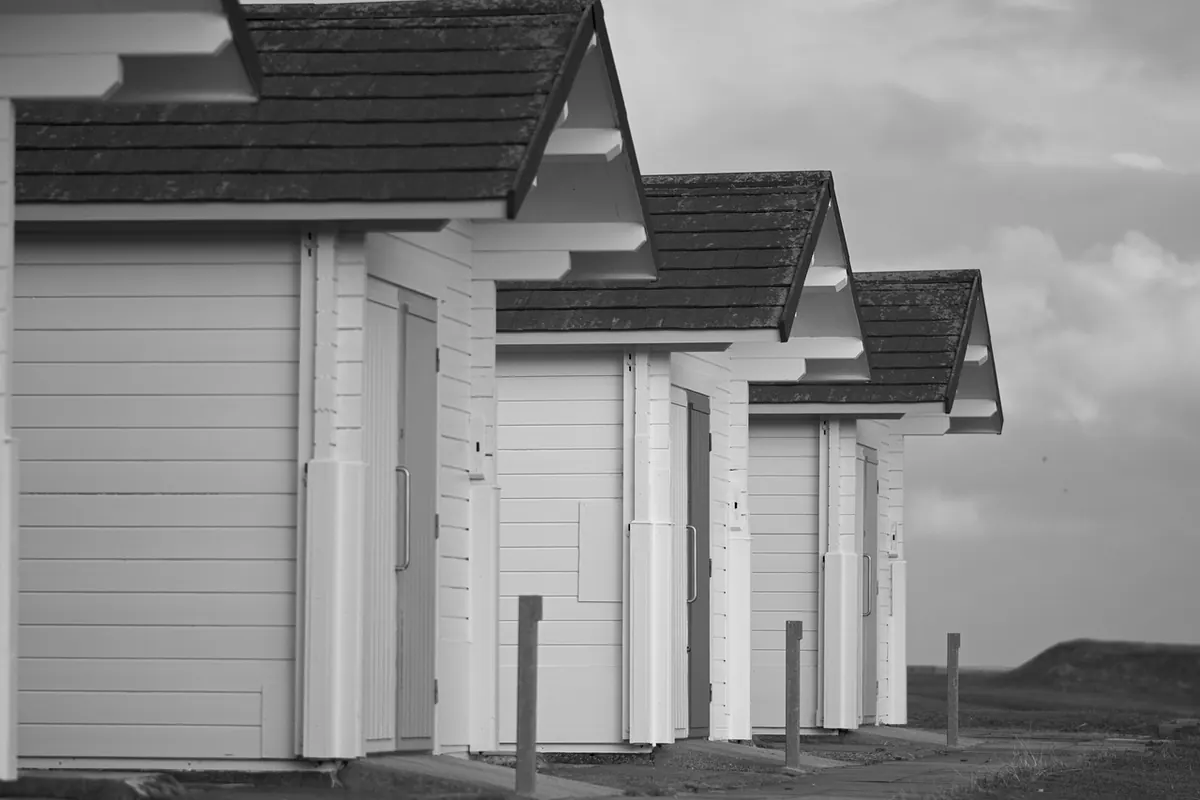
The fascia is the vertical board along the lower edge of the roof — the one your gutter is fixed to. It closes off the ends of the roof structure, supports the bottom course of tiles or slates and carries the weight of the guttering once it is full of rainwater.
The soffit is the horizontal board underneath, forming the underside of the eaves between the fascia and the wall. It is less visible but does two important jobs: it keeps birds, squirrels and insects out of the roof space, and, with the right vents, it lets air circulate through the loft.
If one short section has rotted because of a leaking gutter joint, cutting it out and splicing in a new piece is a sensible, cheap fix — provided the rest of the run is sound and the timber behind it is dry.
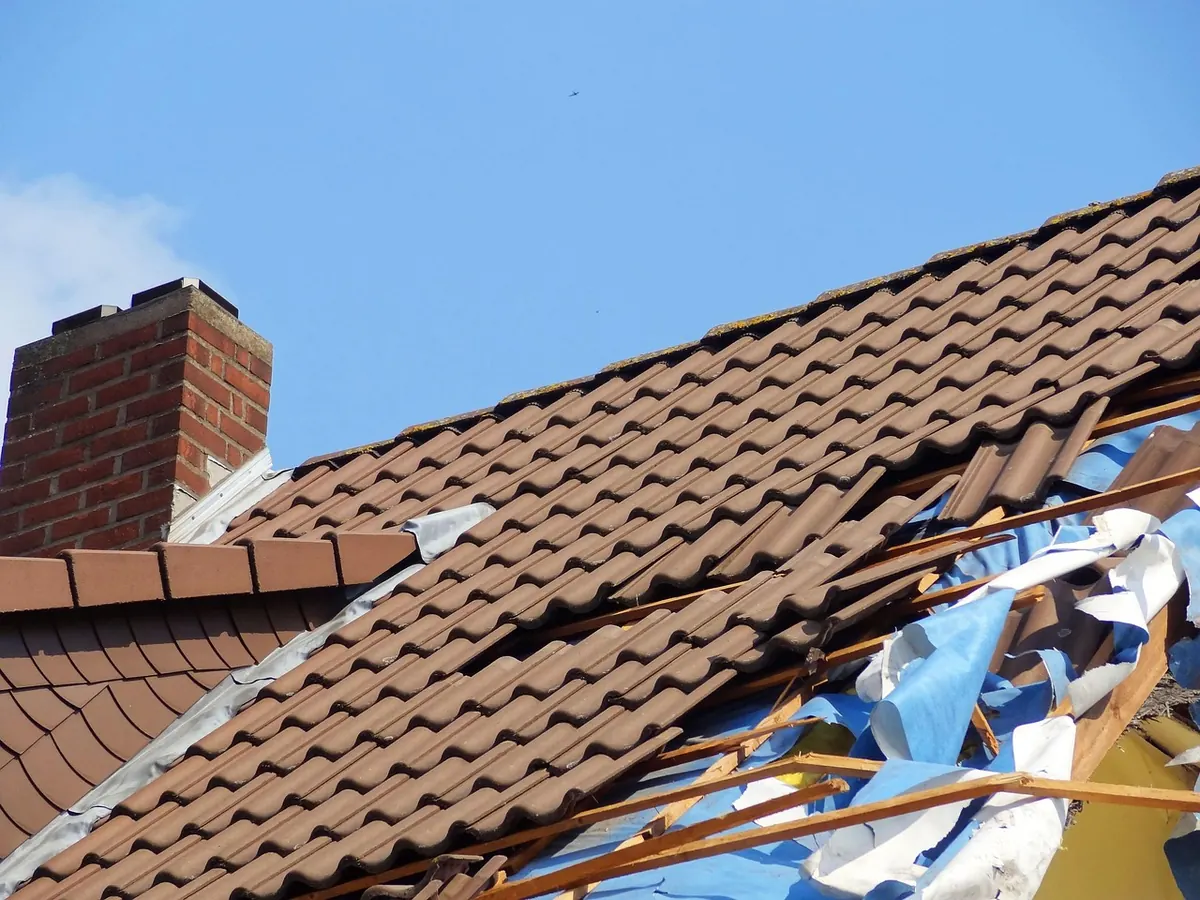
Replacement usually works out better when the problem is widespread: boards rotten along a whole elevation, uPVC gone brittle, or gutters that have pulled loose because the fascia can no longer hold a fixing. Boards at eaves height are only safely reachable with ladders, a tower or scaffolding, so paying for access twice rarely saves anything.
Decide about the guttering at the same time. If it is old, cracked or undersized, replacing it alongside the boards costs far less than coming back to it in a year.
Most UK replacements use uPVC, but it is not the only option.
Whichever you pick, ventilation matters more than the finish. Roof spaces need airflow at the eaves to prevent condensation, so a replacement should include vented soffits or over-fascia vents rather than sealing the roof up tight.
Anyone quoting a single national figure is guessing. Price depends on the size of your property, whether it is single or double storey, and how much board is actually being replaced. A bungalow with one straight run is a very different job from a detached house with dormers, bays and awkward corners.
Treat any online figure as orientation only. Get three written quotes for the same specification and check each one states whether VAT is included, what is removed, what guarantee applies and whether scaffolding is in the price. If roof work is also due, combining both jobs while the scaffolding is up is usually the cheapest way to do either.
Be wary of a quote far below the others, and of anyone wanting the full amount up front.
Agree in writing what is being replaced and what is being reused, and photograph the roofline from the ground beforehand so you have a record. While the scaffolding is up, look at the eaves, the gutter runs and any cracked render or slipped tiles — far cheaper to deal with now than to pay for access twice.
Keep the quote, the guarantee and the product details for the boards. If rot has spread into the roof structure, or you are unsure whether the timbers are sound, have a qualified roofer or surveyor inspect before you commit. A small inspection fee is money well spent, and for anything involving a shared or listed building, check whether consent is needed first.